Interior design never stands still. Every few years, a new wave of ideas, materials, and technologies reshapes what great spaces look and feel like. Whether you are planning a full office fitout or simply refreshing an existing workspace, understanding the trends that are defining interiors right now will help you make smarter, more confident design decisions.
If you are unsure where to start, working with experienced corporate interior design companies is the most reliable way to identify which directions suit your space, your brand, and your budget. Here is a look at the design trends shaping interiors in 2026.
- Natural Wood
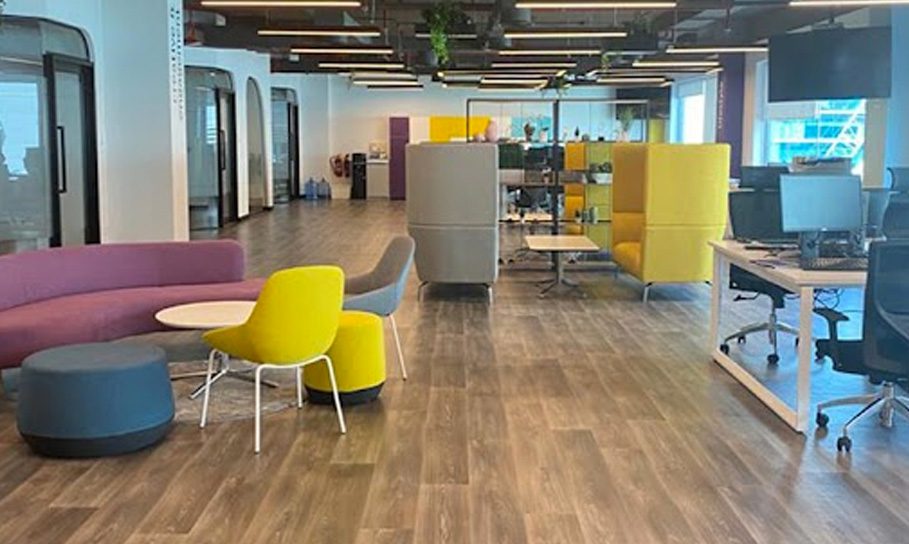
Natural wood has been a cornerstone of interior design for decades, and it shows no sign of losing its appeal. What has changed is how designers are using it. Raw, unfinished timber with visible grain and natural imperfections is increasingly preferred over heavily lacquered or artificially treated surfaces. The goal is authenticity: a material that looks and feels like it came from nature rather than a factory.
In commercial interiors, natural wood is showing up in feature walls, reception desks, bespoke shelving, and ceiling details. It works particularly well alongside neutral palettes and concrete or stone finishes, adding warmth to spaces that might otherwise feel cold or overly minimal. The best interior fit out companies in Dubai are using wood not just as a decorative accent but as a structural design element that anchors entire spaces.
- Curved Furniture
The dominance of sharp angles and rigid grid-based layouts is giving way to something more fluid. Curved furniture, from softly rounded sofas and circular meeting tables to arched doorways and sculpted reception desks, is one of the most visible shifts in contemporary interior design.
The research behind this trend is compelling. Environments with curved forms consistently produce more positive emotional responses than those defined by straight lines and right angles. People report feeling more at ease, more creative, and more comfortable in spaces where curves are part of the design language.
For office environments, this translates into meeting rooms with circular or oval tables that encourage equal participation, breakout zones with curved seating clusters, and reception areas where the desk itself becomes a sculptural focal point. Skilled commercial fitout companies are increasingly incorporating curved elements into their design proposals as a way to soften corporate interiors and make them feel more human.
- Biophilic Design: Bringing Nature Indoors
What began as a simple trend of adding a few potted plants to an office corner has evolved into a fully formed design philosophy. Biophilic design is the practice of weaving natural elements into the built environment in a deliberate, meaningful way, and the evidence for its impact on human health and performance continues to grow.
In 2026, biophilic design in commercial interiors goes well beyond plants on desks. It includes living walls, natural light optimisation, water features, natural material palettes, views of greenery from workstations, and even the use of nature-inspired patterns and textures in finishes and fabrics. The goal is to reduce the psychological distance between people and the natural world, even in a high-rise office in the middle of a city.
For businesses planning an office renovation or new commercial fit out, integrating biophilic elements is one of the most effective investments you can make in employee wellbeing and productivity.
- Earthy and Grounded Colour Palettes
The era of cold grey and sterile white as default office colours is fading. In its place, a warmer, more grounded palette of terracottas, warm taupes, deep ochres, dusty greens, and raw clay tones is taking over, in both residential and commercial settings.
These earthy tones work particularly well in contemporary office environments because they are simultaneously calming and sophisticated. They pair naturally with timber, stone, and textured fabrics, and they age beautifully rather than dating quickly. Used alongside carefully selected accent colours, they create spaces that feel considered and timeless rather than trend-led.
Choosing the right colour direction for an office is one of the most impactful decisions in any office interior design project. Get it right and it sets the tone for every other design decision that follows.
- Statement Ceilings
The ceiling is often described as the fifth wall, and the most forward-thinking designers are treating it that way. Statement ceilings have moved well beyond ornate plasterwork and oversized chandeliers. Today’s approach is altogether more restrained but no less impactful.
Acoustic timber slat ceilings, backlit stretched fabric panels, exposed structural elements painted in deep contrasting colours, and bespoke lighting installations are all popular choices in contemporary commercial interiors. A well-designed ceiling immediately elevates the perceived quality of a space and gives it a sense of craft and intention that generic suspended tile grids simply cannot match.
For businesses working with top fit out companies in Dubai, the ceiling treatment is increasingly a key point of design differentiation, particularly in reception areas, boardrooms, and client-facing spaces.
- Textured Wall Treatments and Art
Plain painted walls remain the most common finish in office environments, but the most interesting interiors are increasingly using walls as a canvas for texture, pattern, and materiality. Fluted timber panels, woven acoustic fabrics, micro-cement renders, hand-applied plaster effects, and large-format graphic art are all having a significant moment.
The move towards textured wall treatments is partly aesthetic and partly functional. Many of these finishes have acoustic properties that help manage noise levels in open-plan environments, making them a smart double investment. Art, too, is being taken more seriously in office environments, with businesses commissioning bespoke works that reflect their culture and values rather than defaulting to generic prints.
- The Return of Dark and Dramatic Tones
Deep, dramatic tones, including charcoal, forest green, navy, and near-black finishes, are increasingly appearing in commercial interiors that want to communicate confidence, sophistication, and a sense of quiet authority. Used thoughtfully, dark colours make spaces feel more intimate and focused rather than oppressive.
In office environments, dark accent walls in meeting rooms or executive offices are an effective way to create a sense of gravitas without committing to a full-room dark palette. Dark joinery, in particular, is a hallmark of high-end office design and fitout projects, lending a level of craftsmanship and seriousness that lighter finishes sometimes cannot achieve.
- MARBLE TABLES
Natural stone remains one of the most enduring and prestigious materials in interior design. Marble in particular continues to dominate in reception areas, boardrooms, and executive bathrooms, where the goal is to communicate quality and permanence.
What has shifted is the way stone is being used. Large-format slabs with dramatic, book-matched veining are preferred over small tiles or heavily polished finishes. Stone is also appearing in unexpected places, as desk surfaces, feature wall panels, and even bespoke joinery elements, blurring the line between furniture and architecture.
The team at Whitemonde works with trusted stone suppliers to source and install natural materials as part of bespoke joinery and furniture packages on commercial fit out projects across the UAE.
- MULTIFUNCTIONAL FURNITURE
The shift towards hybrid and flexible working patterns has made adaptable furniture not just a nice-to-have but an operational necessity. Offices today need to accommodate focused solo work, small group collaboration, large team meetings, and everything in between, often within the same footprint.
Modular seating systems that can be reconfigured quickly, height-adjustable desks that support both sitting and standing work, mobile storage units, and lightweight tables that can be combined or separated depending on the task are all central features of modern office fit out design. The best workspace consultancy processes begin with a deep understanding of how a team actually works before a single piece of furniture is specified.
- BAR CARTS
If you live in a small house, probably you are trying to find some clever ideas for decorating your home properly. We offer you one intriguing answers for your home bar. In the event that you don’t have a great deal space to make genuine home bar, you can make reduced smaller than expected bar in some side of your living room.You can reuse some old things structure your home, which are never again being used, to make incredible minimized smaller than normal bar in your home.
- ARISTOCRATIC COLOURED METALS
Cold chrome and stainless steel have given way to warmer, richer metallic finishes. Brushed brass, antique bronze, warm gold, and blackened steel are the metals defining contemporary interiors in 2026. These finishes add warmth and a sense of craftsmanship to spaces without the clinical edge that polished chrome can sometimes bring.
In commercial settings, metallic accents appear in lighting fixtures, door and drawer hardware, feature screens, and decorative joinery details. Used sparingly, they add a layer of luxury and intention to an interior that is hard to achieve through any other means. Nowadays, metal is sneaking into our homes in all appearances and in all spots, from backdrop to ground surface, machines to furniture.
- RETRO DESIGN
Nostalgia continues to be a powerful force in design. Mid-century modern silhouettes, 1970s-inspired colour palettes, vintage-style lighting, and retro graphic art references are all appearing in contemporary commercial interiors, often blended with clean, modern backgrounds to create something that feels fresh rather than dated.
The key to making retro references work in an office environment is restraint. A single statement piece, a vintage-inspired lounge chair in a breakout space, a bold graphic on a feature wall, or a retro-style pendant light over a reception desk can add enormous personality to a space without tipping into pastiche.
- SUSTAINABLE FABRICS
Supportable inside plan is characterized as “inside structure in which all frameworks and materials are planned with an accentuation on coordination into an entire to limit negative effects on nature and tenants and expanding positive effects on ecological, financial and social frameworks Here are seven sustainable alternatives to keep an eye out for: Organic cotton Hemp fibres Stinging nettle fibres Coffee ground fibres Pineapple fabric Banana fibres Lotus fibres These are full of ideas and inspiration no matter what your style is and I hope you find them as fun to read and inspiring as I do!Get in touch with our team of designers at Rochele Decorating today for all your interior decorating, visual styling or colour consulting needs. fit out design companies in dubai.
Ready to Bring Your Space Up to Date?
Whether you are planning a full office renovation, a residential fitout, or exploring what a considered redesign of your existing space could look like, Whitemonde has the expertise to help you navigate the options and deliver a result that is both beautiful and built to last.
As one of the leading interior fit out companies in UAE, we bring together design talent, technical capability, and a commitment to quality that runs through every project we deliver. Get in touch with our team today to start the conversation.